


Testing and analysis for the biomedical industry
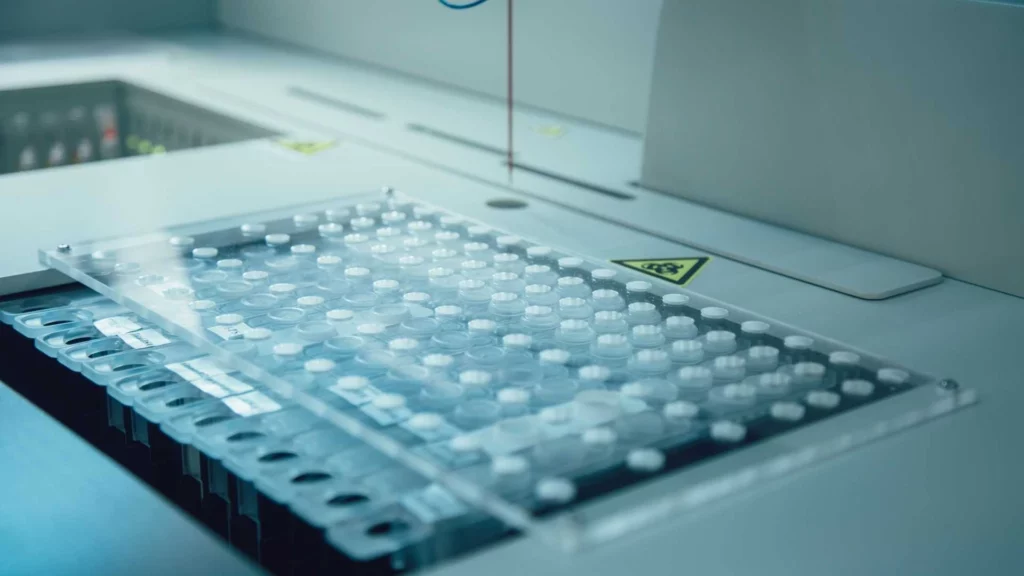
Companies in the biomedical industry face daily challenges related to the design and development of safe medical devices. The main goal is to ensure compliance with European and international regulations, to optimize manufacturing processes, and to devise products that perform better and are easier for patients and healthcare professionals to use.
The importance of testing to ensure product safety
TEC Eurolab's tests for biomedical devices
- The technical concept developed within the R&D departments.
- The industrialization phase of the product.
- The subsequent putting into production.
- The performance study and validation of the device in accordance with current regulations.
Main reference standards for the biomedical industry
We conduct testing in accordance with major industry standards:
- ISO 16371-2: Computerized industrial radiography using phosphor screens.
- ISO 3452-1: General principles PND with liquid penetrants
- ISO 15708-3: Radiative methods for computed tomography
- ISO 9712: Qualified personnel, level II and III for MT, PT, UT, RT, CT,VT controls
Download the service brochure
Non-destructive testing (NDT)
- Tomographic analysis
- Radiographic inspection on film and digital (RT, CR, DR)
- Fluorescent penetrant (PT)
- Dimensional checks
Metallurgical analysis
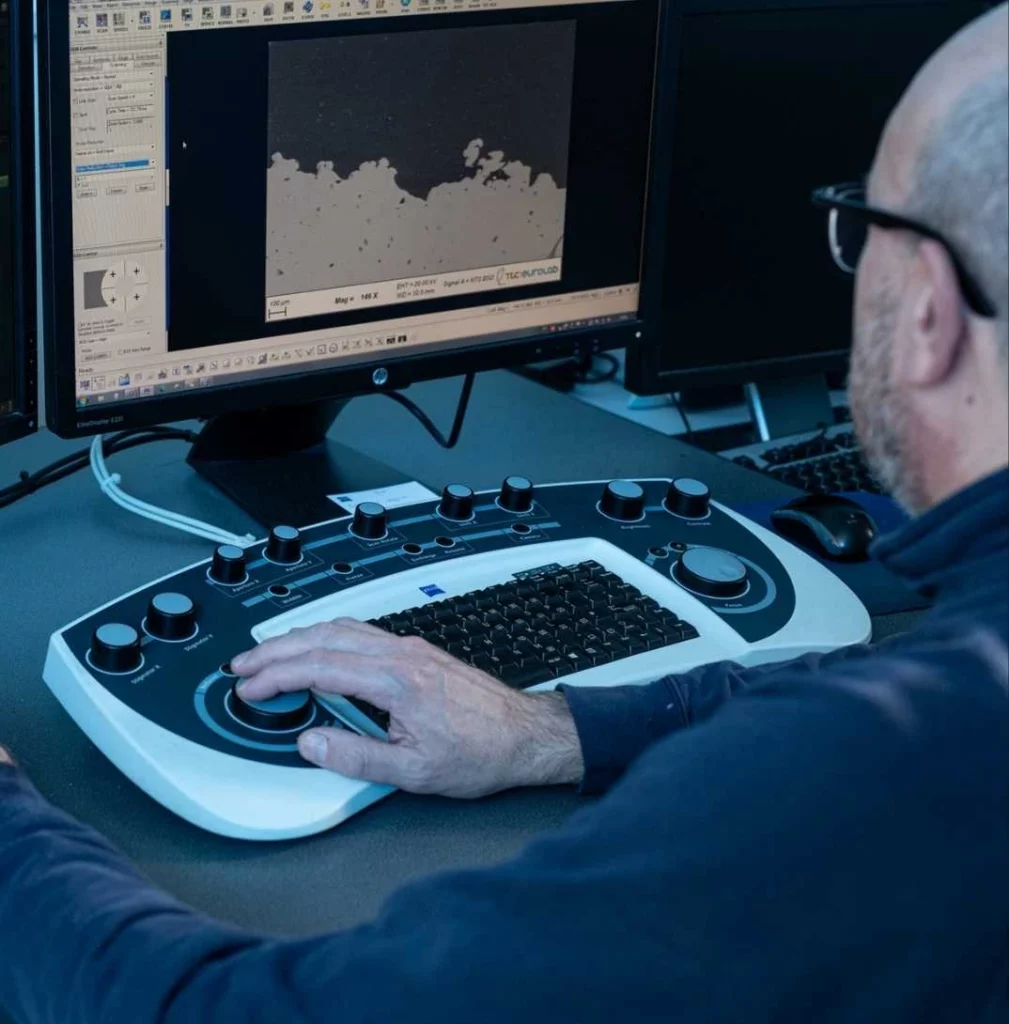
- Scanning electron microscope (SEM) observations and EDS microanalysis
- Macrographic analysis
- Micrographic analysis
- Hardness: Brinell, Vickers, Rockwell
- Evaluation of the effects of heat treatment or HIP
Failure Analysis
Environmental and accelerated aging tests
- Corrosion resistance tests (ASTM B117, ISO 9227)
- Aging and thermal cycling in climatic chamber (temperature and humidity variation)
- Accelerated aging tests in artificial light (Xenon test UNI EN ISO 4892-2 and UV condenser test UNI EN ISO 4892-3)
- Thermal shocks

Chemical and physical analysis
Polymeric materials
- Chemical analysis by FT-IR infrared spectrophotometry
- Thermal analysis: differential scanning calorimetry (DSC) and thermogravimetric analysis (TGA)
- Measurement of thermal conductivity (LFA method) and coefficient of linear thermal expansion
- Liquid Chromatography (HPLC/UPLC)
- Shore Hardness A - D
- Fluidity index measurement (MFI - ISO 1133)
- Compatibility of plastic materials with fluids
Metallic materials and metal powders
- Chemical analysis metal alloys ICP-OES, XRF, SPARK-OES + determination of C-S-H-O-N - ED-XRF (PMI)
- Measurement of thermal conductivity by LFA and coefficient of linear thermal expansion (CTE) by dilatometer
- SEM electron microscope observations + EDS microanalysis
- Analysis of metal powder characteristics for Additive Manufacturing: (chemical analysis ICP-OES, XRF; Flow rate ASTM B213; moisture content, particle size distribution ASTM B822 Laser + Sieves Technique ASTM B214; density according to ASTM B962)
Static and dynamic mechanical tests
Metal alloys and AM
- Tensile tests at room temperature up to 600kN (ASTM E8, UNI EN ISO 6892-1)
- Hot tensile tests up to 1200°C and 100kN (ASTM E21, UNI EN ISO 6892-2)
- HCF fatigue tests up to 1100°C (ASTM E466) and LCF fatigue tests (ASTM E606)
- Lap shear tests (ASTM D5868, ASTM D1002, ASTM D5656)
- Fracture mechanics tests (FATIGUE CRACK GROWTH - ASTM E647)
Polymeric materials
- Dynamic Mechanical Analysis (DMA)
- Tensile tests up to 250°C (ASTM D638, ISO 527)
- Bending tests up to 250°C (ASTM D790,ISO 178)
- Compression testing (ASTM D695, ISO 3386)
- Peel tests 90°/180° ASTM D3330, ASTM D1876)
- Characterization fatigue behavior of plastic materials (-40°C to + 180°C)
Functional testing and product validation
- Benches equipped for pressure and leak testing
- Design of custom test systems for static and dynamic testing
- Use of strain gages for local stress and strain monitoring
The biomedical components we test
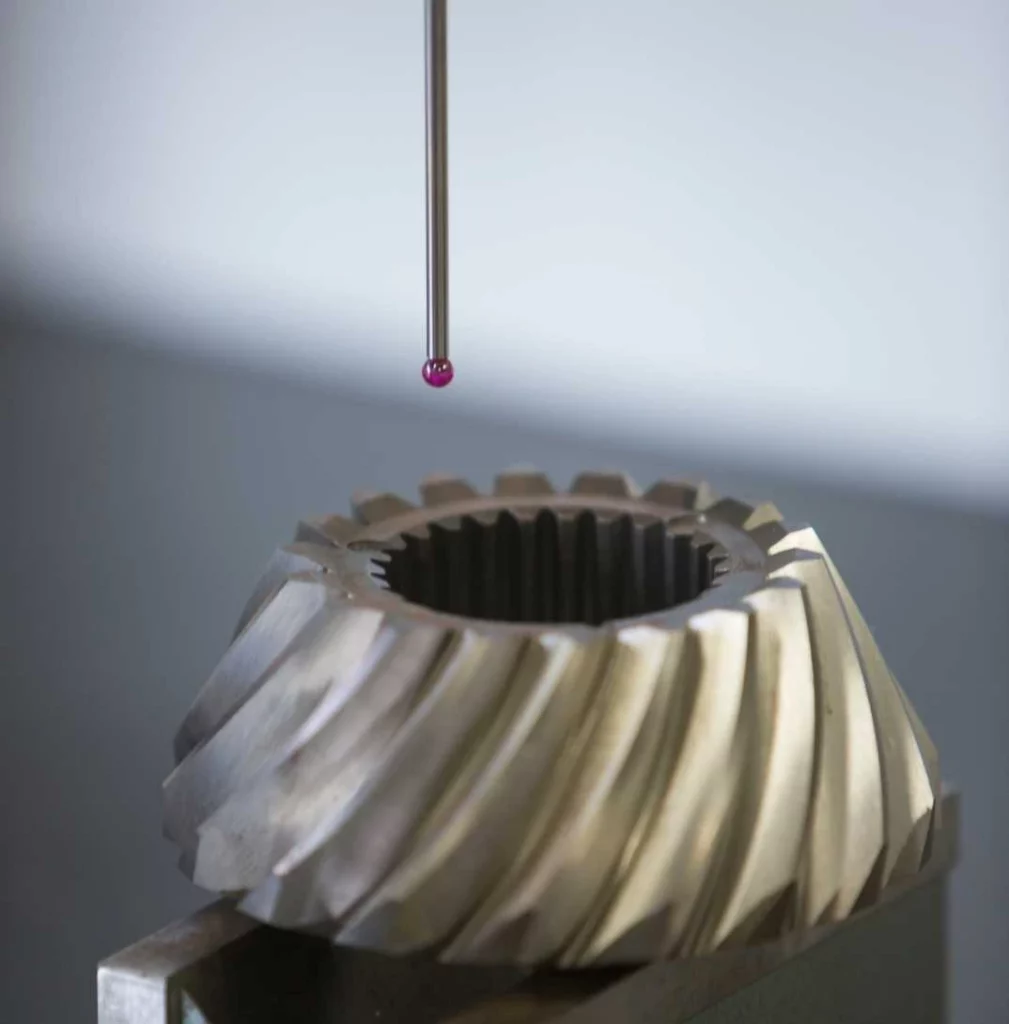
Dimensional Controls - MSA and GAGE R&R
Learn about the GAGE R&R measurement technique to support customers with reliability needs on massive production batches.
The AIAG-standardized Measurent System Analysis (MSA) techniques are a fundamental and mandatory element for supply in the Automotive, Aerospace and Biomedical industries.
Want to read the full white paper?

Validation of titanium bone plates and related fixation screws for the synthesis of bone fractures and microfractures of the hand
In this case study, the case of the validation of titanium bone plates and related fixation screws used for the synthesis of bone fractures and microfractures of the hand is analyzed.